
HOA management
Fair and Consistent Enforcement in an HOA
Consistency is what keeps an HOA out of conflict. Here is how to enforce rules fairly.
Practical, honest advice from the team behind Covenward, written to help you do this well.
Consistency is what keeps an HOA out of conflict. Here is how to enforce rules fairly.

A violation you cannot prove is a dispute waiting to happen. Here is how to document well.

A notice is only useful if it is clear, timely, and defensible. Here is how to get it right.

Disputes are inevitable. How you handle them defines your board. Here is a calm approach.

A few avoidable errors cause most HOA conflict. Here they are.

A board runs on its records. Here is how to keep ones that actually help.

An HOA exists to serve the community, not the other way around. Here is how to keep that balance.

A photo is worth a hundred disputed descriptions. Here is how to use them well.

A well prepared board meeting is short, fair, and productive. Here is how to walk in ready.

Returned mail does not cancel a violation, but it changes what the board has to do next. Here is a practical sequence for re-sending, pausing the cure clock, and fixing the address problem for good.

Escalation is where enforcement gets contested and where thin files fall apart. Here is how to define a repeat violation, decide when a second notice is no longer enough, and move to a hearing without giving the owner an easy defense.

The tenant caused the problem, but the owner is the member. Here is how to route the notice, write it so the issue actually gets fixed, and keep the file straight when two parties are involved.

Too little detail and the case falls apart at a hearing; too much and nobody writes it. Here is the field-by-field standard we recommend for entries that protect the association and still get written on a hot afternoon.

Not every issue needs a formal notice on day one, and not every issue deserves a friendly reminder. Here is how to decide which violations get a courtesy step first, what that notice should say, and how to keep it from becoming a loophole.

The cure period is the most overlooked line in a violation notice and the one most likely to sink a fine. Here is how to set it, compute it, and track it so the case does not drift.

Management transitions are where violation histories quietly disappear. Here is what to demand from the outgoing manager, how the incoming manager should spend the first thirty days, and how to make the next handoff painless.

Closing a case is quieter than opening one, but it is where owners decide whether the board is fair. Here is the close-out routine we recommend: verify, notify, file, and learn.
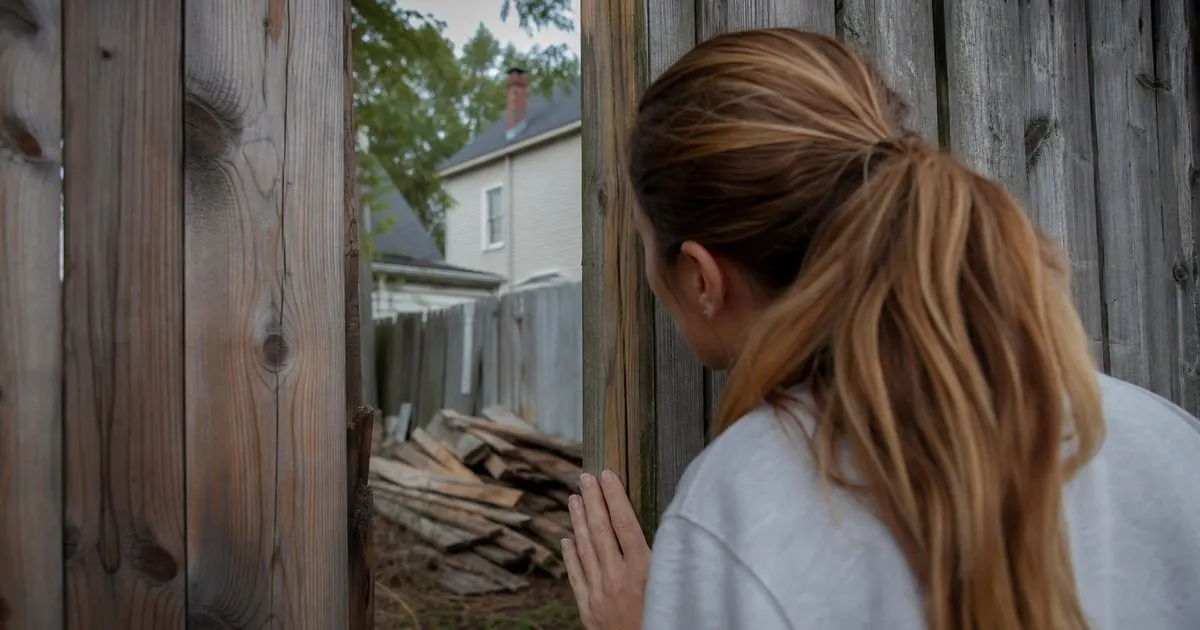
Anonymous complaints are common, sometimes useful, and occasionally weaponized. Here is how to take them seriously without letting a neighbor dispute drive the association's enforcement.
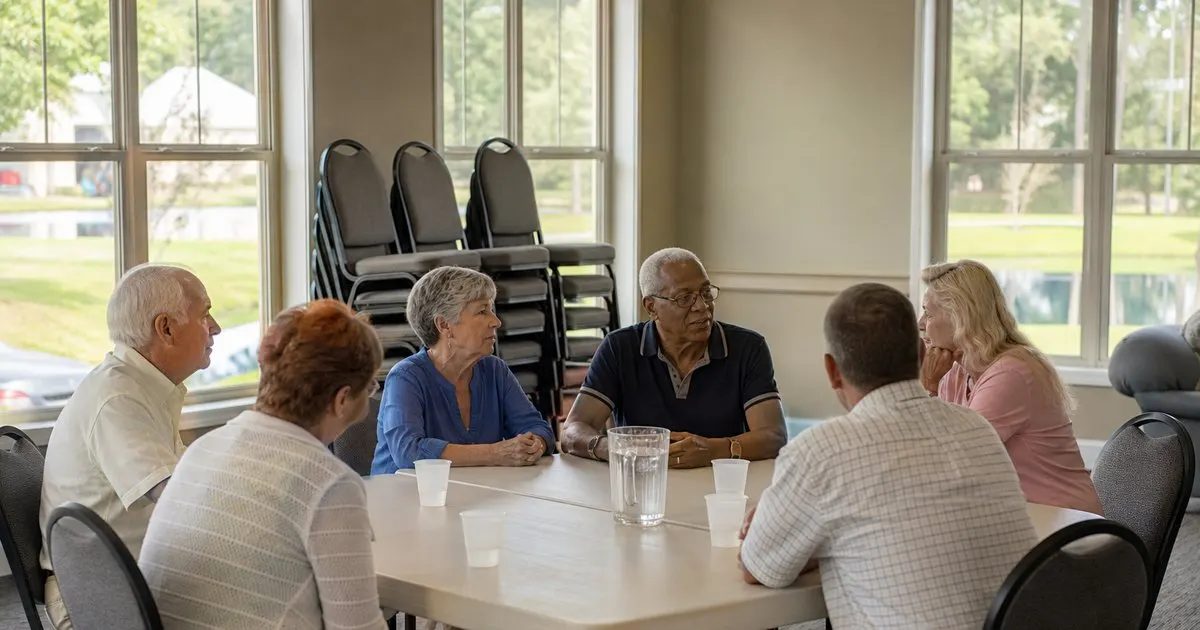
A violation on a sitting board member's own lot is where a community's consistency gets tested in public. The answer is procedural: same log, same notice, documented recusal, and no side conversations.
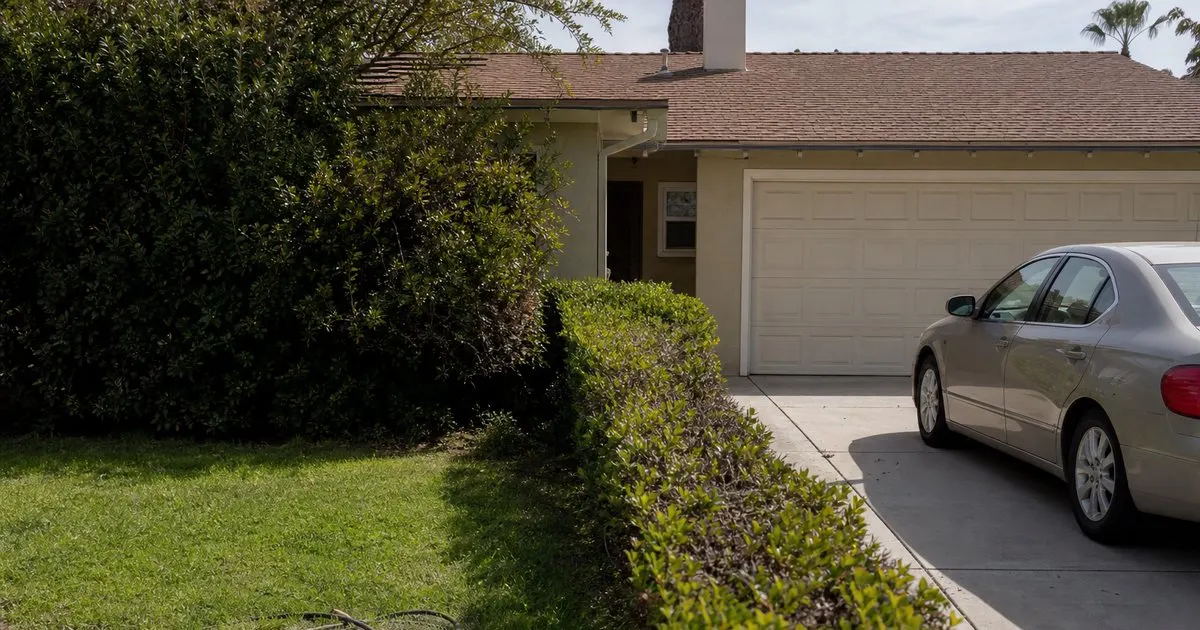
Covenants generally run with the land, so an unresolved condition lands on the buyer while the money usually stays with the seller. Here is how to disclose it, settle fines at closing, and restart the clock cleanly.