Why does the cure period in a violation notice matter so much to enforcement?
The cure period is the most overlooked line in a violation notice and the one most likely to sink a fine. Here is how to set it, compute it, and track it so the case does not drift.
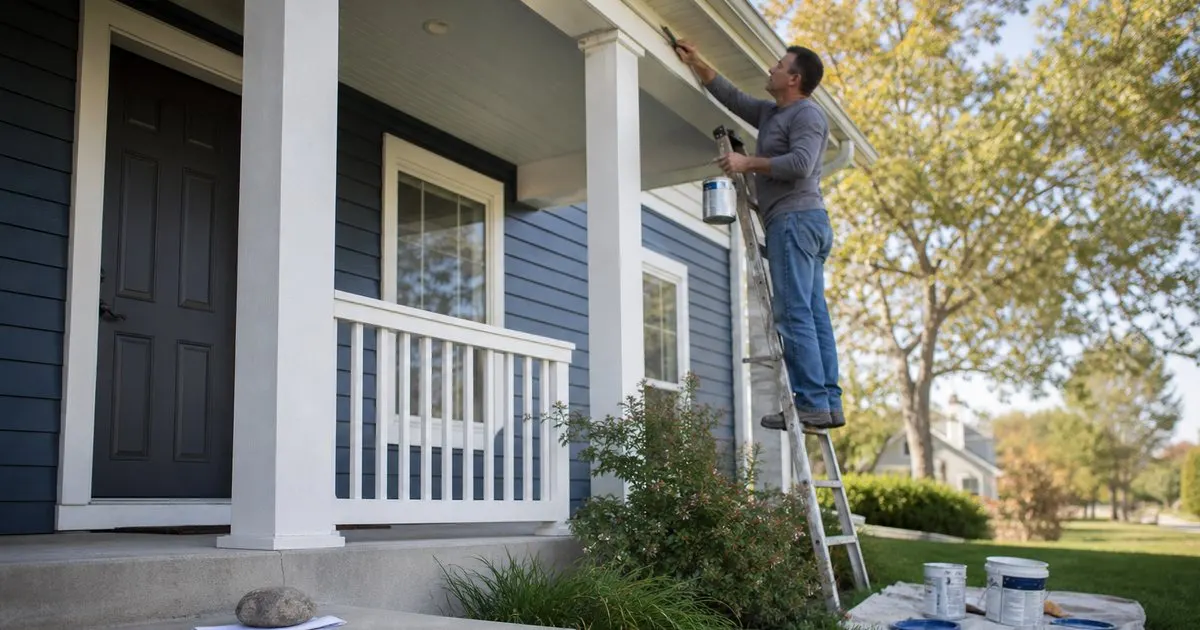
What the cure period does, legally and practically
The cure period is the window an owner has to correct a condition before the association may take the next step. Many state statutes and most governing documents require that owners receive a reasonable opportunity to cure before a fine is imposed, and some set minimum lengths. It is the owner's due process in its simplest form, and it is the board's proof that enforcement was fair. A notice without a cure period, or with one shorter than the documents allow, gives an owner a clean defense regardless of how obvious the violation was. Related: Fair and Consistent Enforcement in an HOA
On the practical side, the cure period is what sets the reinspection date. Without a computed end date, cases drift: the manager means to check back, a month passes, the condition may or may not still exist, and the file has a gap that nobody can explain. A cure period that is computed, recorded, and tied to a reinspection is what keeps a case moving on a predictable schedule.
Keep reading: Fair and Consistent Enforcement in an HOA, Documenting Violations the Right Way, Sending Notices That Hold Up. See how Covenward helps you hoa violation logging and resident notice tracking.
Setting a length that matches the violation
Match the period to what the fix actually takes. Trash containers can be moved in a day or two. Landscaping cleanup often needs two to four weeks, especially in a growing season when contractors are booked. Exterior repairs such as siding, roofing, or repainting reasonably need thirty to sixty days, and longer if weather makes the work impossible. Check your documents and statute for any minimum, then write a default cure period for each violation category into your enforcement policy so the manager is not inventing a number for each letter. Related: Sending Notices That Hold Up
Allow extensions, but only in writing and only with a new date. An owner who calls to say the painter is booked until next month deserves a reasonable answer, and the answer should be a logged extension with a specific new cure date and a sentence about why. An extension granted by phone and forgotten is one of the most common ways a solid case collapses, because the file shows an expired cure period and an owner who says they were told not to worry.
Computing and recording the date
Two ambiguities trip boards up. Does the period run from the date mailed or the date received, and is it counted in calendar days or business days? Your documents may answer both. If they are silent, pick the more generous reading, write it into policy, and apply it every time. Then state the actual calendar date in the letter. A notice sent on September 7 with a fourteen-day cure period should say on or before September 21, 2026, not within fourteen days. The date leaves nothing to argue about.
Record the cure end date as its own field in the case log, not just inside the letter. Schedule the reinspection for that date or the first business day after it. A spreadsheet column can hold the date and a calendar reminder can prompt the visit; dedicated tracking software computes the date from the notice and category and puts the reinspection on a list automatically. Either way, the date has to live somewhere other than a PDF nobody opens. Related: How do you handle an HOA violation notice that comes back as undeliverable?
What to do when the cure period expires
Reinspect promptly. A reinspection that happens a week or two late invites the argument that the condition was cured on time and returned later, and it undermines the timeline you have carefully built. Photograph the result. If the condition is cured, close the case and tell the owner. If it is not, proceed to the next step your policy specifies, usually a notice of hearing, and record the reinspection date alongside the cure date so the sequence is visible at a glance. Related: When should an HOA board escalate a repeat violation to fines or a hearing?
Decide in advance what a partial cure means. If an owner painted three sides of the house and ran out of paint, the policy should say whether the manager grants a short extension or escalates. Whichever the policy says, log the decision and the reason, and apply the same rule to the next owner in the same situation. A written rule for partial cures is one of those small policy items that saves a board from a long and avoidable argument.
- Set default cure periods by violation category and check them against your documents and state minimums.
- Put the exact calendar deadline in the letter rather than a number of days.
- Store the cure end date as a field in the log and schedule the reinspection against it.
- Grant extensions only in writing with a new dated deadline, and log every one.

Julien Jimenez
Julien Jimenez is an independent software builder based in Paris. He designs, ships, and operates focused SaaS products for small businesses and independent professionals. Read the full author page.
Track violations and notices without the paperwork
HOA violation logging and resident notice tracking. Covenward is built to help you put this into practice.
Start a logMore from the Covenward blog

Fair and Consistent Enforcement in an HOA

Documenting Violations the Right Way

Sending Notices That Hold Up
Get the Covenward playbook
Practical guides on hoa management, straight to your inbox as we publish them. No spam, unsubscribe any time.