How do you handle an HOA violation notice that comes back as undeliverable?
Returned mail does not cancel a violation, but it changes what the board has to do next. Here is a practical sequence for re-sending, pausing the cure clock, and fixing the address problem for good.
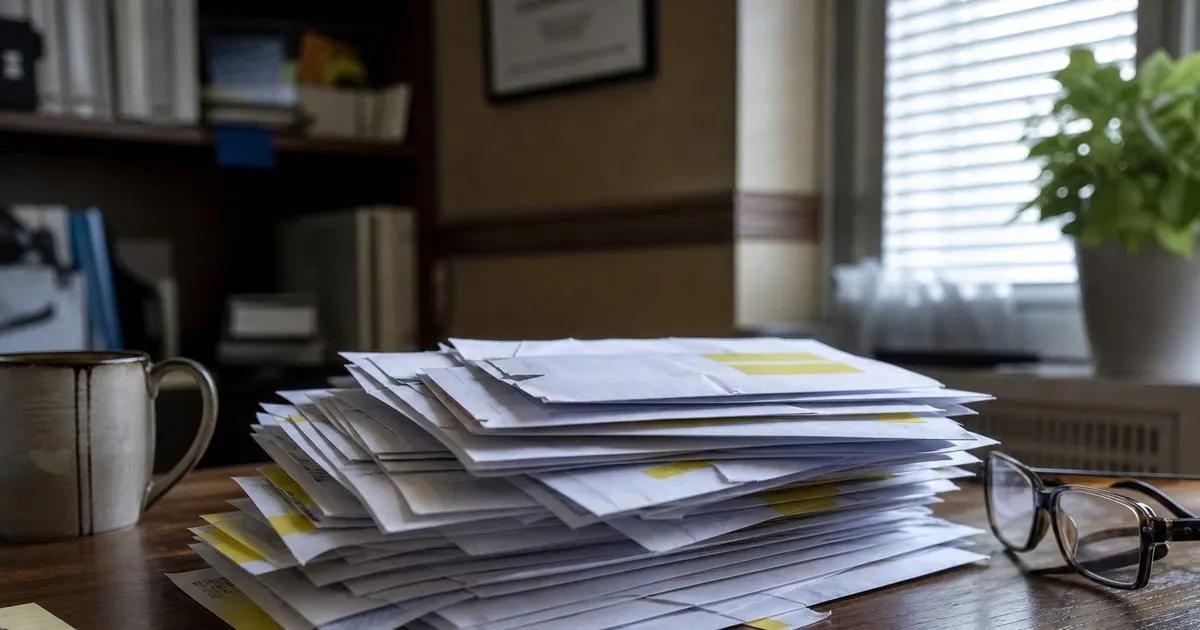
Treat the returned envelope as evidence, not as a failure
A violation notice that comes back stamped unclaimed, undeliverable, or moved usually means the mailing address on file is stale, not that the owner is dodging you. Owners move, rent the house out, retire to another state, or simply never told the association about a new mailing address. Most governing documents, and many state statutes, let the association rely on the address the owner last provided. So before you do anything else, confirm what the address of record actually is and where it came from: the deed, the closing packet, a signed owner update form, or a guess someone typed in years ago. Related: Sending Notices That Hold Up
Then log the return as its own event in the violation file. Record the date the envelope came back, the reason printed on the label, and a scan or photo of the envelope front with the postal marking. That record shows you mailed to the correct address and the mail was returned, which matters if the owner later claims they never received anything. A returned envelope you threw away is a gap in the story; a returned envelope in the file is proof of diligence. Related: The Role of Photos in Violation Tracking
Keep reading: Fair and Consistent Enforcement in an HOA, Documenting Violations the Right Way, Sending Notices That Hold Up. See how Covenward helps you hoa violation logging and resident notice tracking.
Re-sending in the right order
Start with sources you already have. The county assessor or tax collector often lists a separate mailing address for the tax bill, and for absentee owners that address is frequently better than the one in your files. Check your own records for an email address, a phone number, an emergency contact, or a tenant name. Then mail the notice again to both the property address and any newly found mailing address, with a short cover note explaining that the original was returned. If you have an email, send a copy there as well, even if your documents do not treat email as formal notice; the goal is to actually reach the person.
Hand delivery or posting at the door can be appropriate for owner-occupied homes, but only if your governing documents or state law recognize it as a valid method of notice. If you post, take a timestamped photo of the notice on the door and record who posted it. Do not assume a door hanger by itself satisfies a notice requirement; treat it as an extra attempt layered on top of mail. Every attempt, successful or not, belongs in the same case file with the date and method.
Should the cure period keep running?
Legally, the answer depends on your documents and your state. Many CC&Rs deem notice given when it is mailed to the address of record, which means the cure period technically started the day the first letter went out. Practically, a board that keeps stacking fines while its letters bounce looks unreasonable at a hearing and worse in front of a judge. The approach we recommend: keep the case open, pause any fine accrual, and restart the cure period from the date you send to a corrected address or confirm the owner received the notice. Related: When should an HOA board escalate a repeat violation to fines or a hearing?
Write the pause down. Note who made the decision, why, the date fines stopped accruing, and the new cure date. Then apply the same rule to every owner whose mail comes back. If one owner gets a pause and another does not, you have created a selective enforcement argument out of nothing. A two-sentence written procedure for returned mail solves this for the whole community. Related: Fair and Consistent Enforcement in an HOA
Fixing the address problem so it stops recurring
Ask every owner, once a year, to confirm their mailing address, email, phone, and whether the home is rented. Tie the request to something owners already respond to, like the annual assessment statement or the annual meeting packet. Add a field in your owner records for the date the address was last verified, and flag any owner whose mail has been returned so the next mailing gets a second look before it goes out.
For rental properties, require owners to provide tenant contact information and, where your documents allow, a local contact who can act for them. Keep a simple returned-mail report the board can review each quarter; in the communities we work with, a small number of chronically bad addresses tends to account for most of the bounces. Violation tracking software such as Covenward ties each mailing to a delivery status so those patterns are visible without maintaining a separate spreadsheet, but the habit matters more than the tool.
- Log every returned envelope with the date, the postal reason, and a scan; it is proof of diligence, not clutter.
- Re-send to the tax mailing address and the property address, and copy any email you have on file.
- Pause fine accrual and restart the cure period from the corrected send date, then apply that rule to everyone.
- Verify owner mailing addresses annually and flag records with a history of returned mail.

Julien Jimenez
Julien Jimenez is an independent software builder based in Paris. He designs, ships, and operates focused SaaS products for small businesses and independent professionals. Read the full author page.
Track violations and notices without the paperwork
HOA violation logging and resident notice tracking. Covenward is built to help you put this into practice.
Start a logMore from the Covenward blog

Fair and Consistent Enforcement in an HOA

Documenting Violations the Right Way
Sending Notices That Hold Up
Get the Covenward playbook
Practical guides on hoa management, straight to your inbox as we publish them. No spam, unsubscribe any time.