How do you close out a violation once the homeowner has actually fixed it?
Closing a case is quieter than opening one, but it is where owners decide whether the board is fair. Here is the close-out routine we recommend: verify, notify, file, and learn.
Verify before you close
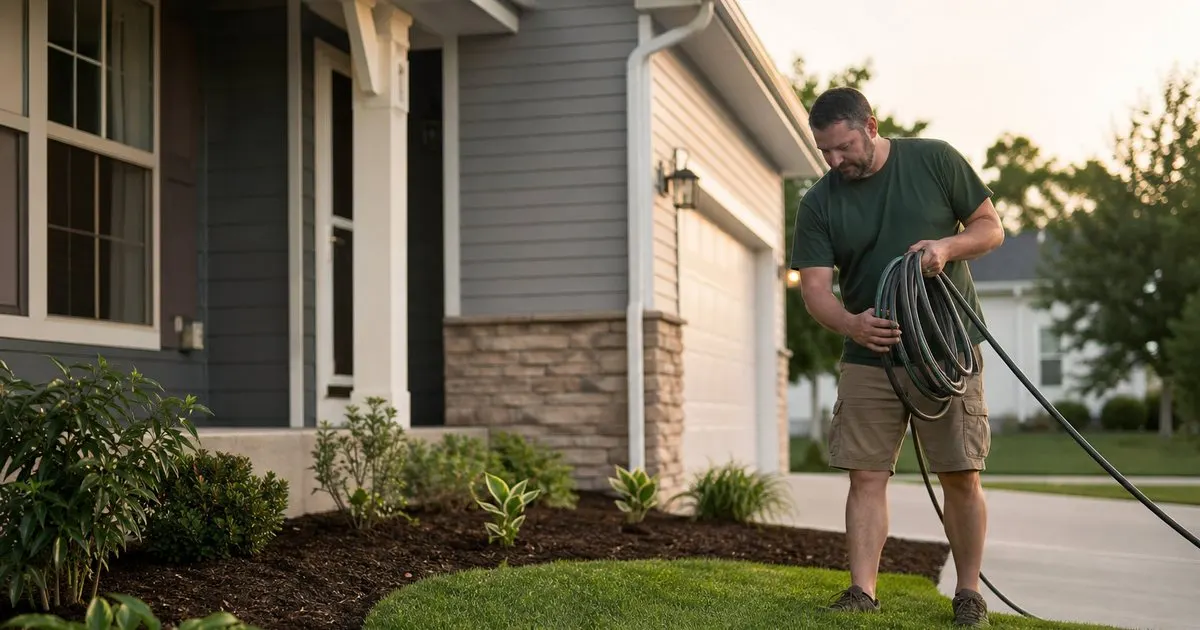
When an owner reports that the problem is fixed, the correct response is a reinspection, not a status change. Go look, take a photo, log the date and who inspected. Closing on the owner's word alone leaves the file without proof that the condition was resolved, which matters if it reappears in a month and the owner insists it was never there. The opposite failure is just as common: the condition was fixed three weeks ago and the case is still open because nobody went back. Owners notice both.
Define what a partial fix means before you face one. A fence repainted except for one panel, a yard cleaned up but with a dead tree still standing, a shed removed but its concrete pad left behind. The policy should say whether the manager grants a short extension on the existing case or closes it and opens a new, narrower one for the remaining item. Either approach works; what does not work is a case that stays open indefinitely because nobody wants to decide.
Keep reading: Fair and Consistent Enforcement in an HOA, Documenting Violations the Right Way, Sending Notices That Hold Up. See how Covenward helps you hoa violation logging and resident notice tracking.
Tell the owner it is closed
Send a short closure notice: the date the condition was verified as corrected, a statement that the case is closed, and a thank you. Use the same method you used for the original notice so the record is symmetrical. Written closure protects both parties. The owner has proof the matter was resolved, and the association has shown good faith, which becomes relevant if that owner is ever back at a hearing. A closure letter takes two minutes and prevents a surprising amount of resentment.
If fines were assessed during the case, the closure notice should say exactly what the owner owes and how to pay it, or state that the board waived the fines if that is what happened. An account that shows a balance with no explanation, months after the owner thought everything was settled, is a reliable way to turn a resolved case into a dispute. Close the ledger at the same time you close the file.
What a closed file should contain
A complete closed file holds the original observation, every notice with date and method, all communications, each reinspection with its photo and result, any extensions, the board's decisions if the case reached that stage, the fine history and payments, and the closure notice. Assign a closure reason from a short fixed list: cured, waived, variance granted, or opened in error. Those reasons look the same in a status column, but they mean very different things when you later ask how well enforcement is working. Related: Sending Notices That Hold Up
Do not delete closed cases. Archive them according to your records retention policy and your state's requirements, which often set minimum periods for official association records. Closed files are what establish repeat status when the same condition returns, and they are what show a hearing panel or a court that the board has treated similar cases alike over time. A closed case that disappears from the system takes its evidence with it. Related: Documenting Violations the Right Way
Using closed cases to get better
Once closures carry a reason and a date, you can report on things that actually help the board: median time from first notice to cure by category, the share of cases that closed at the courtesy stage versus after a hearing, the repeat rate for each rule, and how many cases closed as opened in error. A rule that produces a high error rate or a high dispute rate is telling you something about the rule or about how it is being inspected, and that is worth a discussion at a board meeting. Related: Preparing for a Board Meeting
Cases that close quickly and quietly at the earliest stage are the sign of a healthy community, and the board should say so out loud. Sharing aggregate numbers at the annual meeting, without names or addresses, shows owners that enforcement is a process rather than a series of grudges. Most owners never see the enforcement side of their association; a few honest numbers give them a reason to trust it. Related: Fair and Consistent Enforcement in an HOA
- Reinspect and photograph before changing the status; never close on the owner's word alone.
- Send a written closure notice that also settles any fine balance or confirms a waiver.
- Tag every closure with a reason such as cured, waived, variance granted, or opened in error.
- Archive closed files instead of deleting them; they establish repeat status and consistency.

Julien Jimenez
Julien Jimenez is an independent software builder based in Paris. He designs, ships, and operates focused SaaS products for small businesses and independent professionals. Read the full author page.
Track violations and notices without the paperwork
HOA violation logging and resident notice tracking. Covenward is built to help you put this into practice.
Start a logMore from the Covenward blog

Fair and Consistent Enforcement in an HOA

Documenting Violations the Right Way
Sending Notices That Hold Up
Get the Covenward playbook
Practical guides on hoa management, straight to your inbox as we publish them. No spam, unsubscribe any time.