How should a board respond when a neighbor reports a violation anonymously?
Anonymous complaints are common, sometimes useful, and occasionally weaponized. Here is how to take them seriously without letting a neighbor dispute drive the association's enforcement.
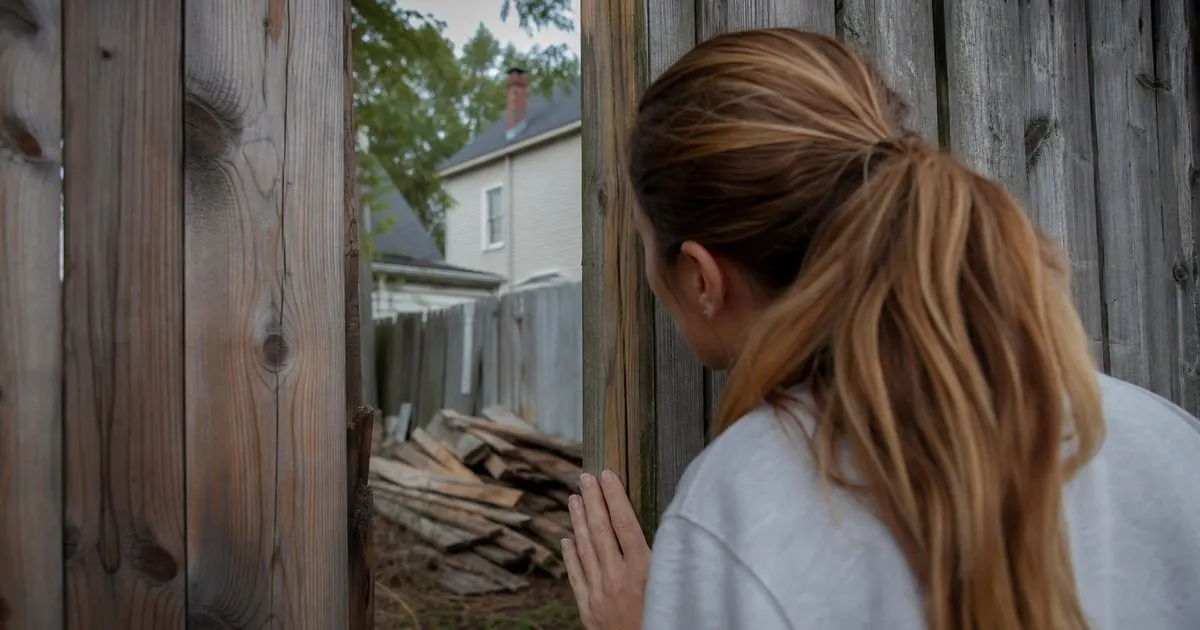
A complaint is a lead, not evidence
The association enforces what it verifies, not what a neighbor says. An anonymous report that the house on the corner has an unapproved shed is a reason to go look; it is not a reason to send a notice. Log the complaint as a complaint, with the date received and what was alleged, and open a violation case only after an inspection confirms the condition. That single habit protects the board from being used as a proxy in a fence-line feud and keeps every notice grounded in something an inspector saw. Related: Sending Notices That Hold Up
Many boards adopt a short complaint policy: reports are accepted in writing through a form or email, the complainant may remain anonymous to the accused owner, every complaint triggers an inspection rather than a notice, and the outcome is determined by the inspection alone. Whether the board accepts fully anonymous complaints or requires a name known only to the manager is a local choice. Both can work, as long as the rule is written and applied the same way to every report.
Keep reading: Fair and Consistent Enforcement in an HOA, Documenting Violations the Right Way, Sending Notices That Hold Up. See how Covenward helps you hoa violation logging and resident notice tracking.
Handling the identity question
Owners who receive a notice often ask who complained. In most cases the board does not need to answer, because the notice rests on the inspection, not the report. Say that plainly: the association observed the condition on a specific date and is acting on that observation. Be careful, though, about promising confidentiality. In some states, association records are open to owner inspection, and a complaint form may be one of those records. Check your statute before telling a complainant that their name will never be seen. Related: Keeping Records Your Board Can Rely On
Never write the complainant's name into the violation notice or the violation entry itself. Keep the complaint record separate, linked to the case by number, so the enforcement file stands on its own. That separation also makes it easier to answer a records request narrowly and correctly, rather than handing over a file that mixes an inspection with a neighbor's accusations. Related: Documenting Violations the Right Way
Spotting a complaint that is being used as a weapon
The patterns are recognizable. One address reports the same neighbor repeatedly for trivial items. Complaints arrive in clusters right after a known dispute over a tree, a dog, or a property line. A report describes a condition that turns out not to exist, then a slightly different one the following week. Tracking the source of each complaint, even by a code rather than a name, is what makes these patterns visible. Without it, the manager just sees a steady stream of reports about one house and starts to believe them.
The remedy is even enforcement, not silence. If the complained-of condition is real, act on it, because it is a violation regardless of the motive behind the report. Then inspect the surrounding lots, including the complainant's, for the same condition, so the board can show it did not single anyone out. Where a complainant is clearly abusing the process, the board can decline to act on unverified trivial reports from that source and document the reasoning. That is a policy decision, and it should be recorded like one. Related: When should an HOA board escalate a repeat violation to fines or a hearing?
Communicating back to the person who complained
If you know who filed the report, acknowledge it and say an inspection will be scheduled. Do not share what the inspection found or what was sent to the other owner. Enforcement details about a specific lot are between the association and that owner, and a complainant who receives a play-by-play will expect one every time. Most boards settle on a generic reply along the lines of the matter has been reviewed and addressed under the association's process, and that is enough.
Publish the complaint process so owners know what happens when they report something: it goes in writing, it is inspected, the outcome is handled through the normal enforcement steps, and they will not be told the details. Clear expectations reduce the follow-up calls and, over time, reduce the number of complaints filed in anger. A tracking system that links complaint records to inspections and cases makes it easy to show that every report was handled the same way, which is exactly what a skeptical owner wants to see.
- Log the complaint, inspect the property, and open a case only on what the inspector confirms.
- Keep complainant information out of the violation notice and in a separate linked record.
- Track complaint sources so patterns of targeting become visible, and inspect neighboring lots for the same condition.
- Acknowledge the complainant without sharing enforcement details about the other owner.

Julien Jimenez
Julien Jimenez is an independent software builder based in Paris. He designs, ships, and operates focused SaaS products for small businesses and independent professionals. Read the full author page.
Track violations and notices without the paperwork
HOA violation logging and resident notice tracking. Covenward is built to help you put this into practice.
Start a logMore from the Covenward blog

Fair and Consistent Enforcement in an HOA

Documenting Violations the Right Way
Sending Notices That Hold Up
Get the Covenward playbook
Practical guides on hoa management, straight to your inbox as we publish them. No spam, unsubscribe any time.