What happens to an open HOA violation when the home sells before the owner fixes it?
Covenants generally run with the land, so an unresolved condition lands on the buyer while the money usually stays with the seller. Here is how to disclose it, settle fines at closing, and restart the clock cleanly.
Separate the condition from the money before anything else
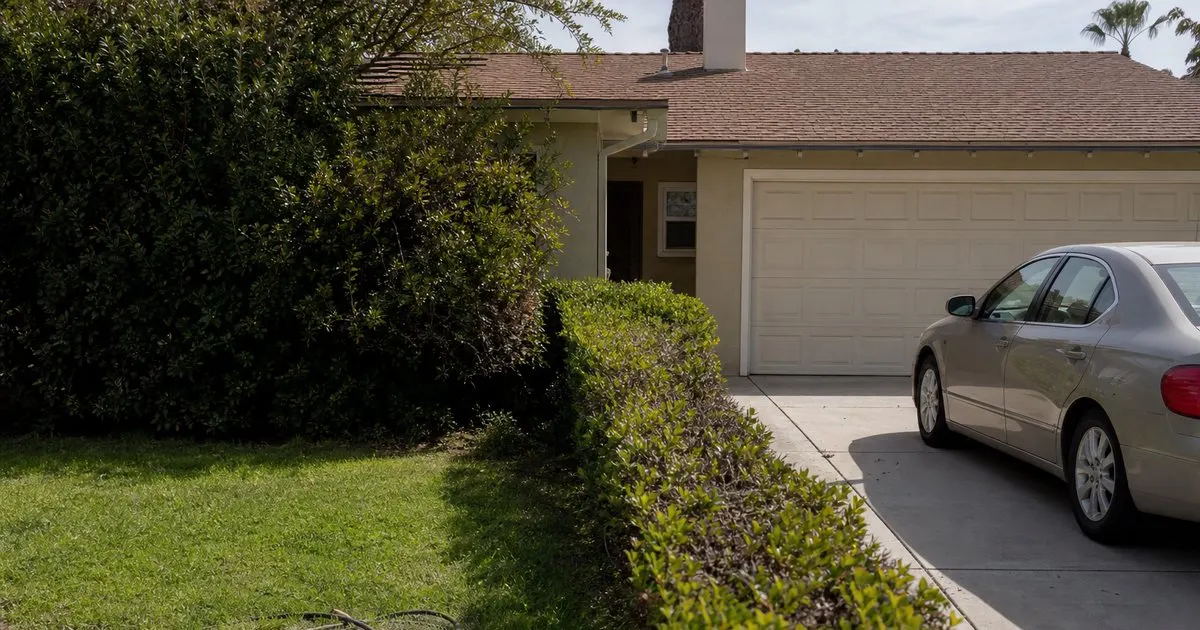
In most communities the covenants run with the land, which means the physical condition is what transfers. Unapproved paint, a fence built without architectural review, a dead lawn, a shed in a setback: those stay violations of the recorded restrictions after closing regardless of who owned the lot the day they were observed. The new owner inherits the problem along with the house, which surprises buyers constantly and is the source of most first year friction between an association and a new resident.
Money behaves differently. Fines, late charges and any cost recovery are typically posted to the owner's ledger, and whether an unpaid balance survives a sale depends on your governing documents and on state law about assessment liens, lien priority and what the resale or estoppel statement is allowed to say. That is a question worth asking association counsel once, in writing, and then converting into a standing policy so that every future closing is handled the same way. Boards that blur the two categories end up either chasing a buyer for a fine they never had a chance to avoid, or quietly writing off a balance the seller genuinely owed.
Keep reading: Fair and Consistent Enforcement in an HOA, Documenting Violations the Right Way, Sending Notices That Hold Up. See how Covenward helps you hoa violation logging and resident notice tracking.
Disclose it accurately in the resale package
Many states require the association or its manager to produce a resale certificate, estoppel letter or disclosure package within a short statutory window, often measured in days rather than weeks. Whatever it is called locally, it almost always asks whether the association knows of any violation of the governing documents on that lot. This is the moment informal enforcement comes back around. If the only trace of the issue is an email thread between two directors, the person completing the certificate will not know it exists, and the association may be limited in what it can pursue against a buyer who was told there was nothing outstanding. Related: How do you handle an HOA violation notice that comes back as undeliverable?
Be specific in the response. Name the covenant or rule section, describe what was observed, give the date of the notice, state the current status and the cure deadline. Vague entries such as landscaping issue invite an argument later about whether the buyer was really told anything. Reference or attach copies of the notices already sent. And do the housekeeping first: if the condition was actually corrected and nobody closed the file, close it before the certificate goes out, because disclosing a violation that no longer exists causes its own set of phone calls. Related: Sending Notices That Hold Up
Decide what happens to accrued fines before closing, not at the table
Closing is the one moment when everyone involved genuinely wants the association's paperwork to be clean, which makes it the practical leverage point for an unpaid balance. A closing agent or title company will usually request a payoff figure. The board should already know what number it will give: the full accrued amount, a reduced amount in exchange for the condition being cured before closing, or a hold. Decide that in an open meeting as a general policy, apply it to every sale, and record it. Ad hoc decisions made under deadline pressure become the precedent the next seller cites. Related: Preparing for a Board Meeting
If the board is willing to reduce or waive part of a balance, document the decision like any other: the amount, the vote, and a reason that would apply to any owner in the same situation, such as the underlying condition being verified as corrected. Send the figure in writing through the same channel the disclosure package went, and avoid agreeing to numbers verbally with an agent or attorney who is calling three days before a scheduled closing. Written, consistent and slightly slower beats fast and unrecorded every time.
Restart the clock fairly with the new owner
A buyer who inherits an open violation has usually never seen your notices, and mailing them a fine notice the week after they move in almost never produces faster compliance. It produces a hostile owner and an early complaint about the board. The better sequence is to send a fresh first notice addressed to the new owner that references the existing file, describes the condition, and gives a full standard cure period running from the date of that new notice. Keep the entire prior history in the file rather than deleting it, but restart the escalation ladder from the beginning. Related: When should an HOA board escalate a repeat violation to fines or a hearing?
Pair the notice with the path to compliance. Send the relevant covenant section and, if the fix requires architectural review, the submission form, the deadline and the date of the next committee meeting, so the cure period is actually achievable. Then handle the records side the day you learn of the transfer: update the owner of record, the mailing address and any tenant status from the deed or the manager's transfer report. A large share of second round enforcement failures come down to something mundane, which is that the notices kept going to the person who moved out.
- Physical conditions generally follow the lot, while fines and charges generally follow the owner's ledger; your documents and state law settle both.
- Only violations that exist in the log make it onto a resale disclosure, so informal enforcement turns into real exposure at closing.
- Adopt a written policy for accrued fines at closing instead of negotiating a number under deadline pressure.
- Re-notice the buyer with a full cure period and update ownership records the day the transfer is reported.

Julien Jimenez
Julien Jimenez is an independent software builder based in Paris. He designs, ships, and operates focused SaaS products for small businesses and independent professionals. Read the full author page.
Track violations and notices without the paperwork
HOA violation logging and resident notice tracking. Covenward is built to help you put this into practice.
Start a logMore from the Covenward blog

Fair and Consistent Enforcement in an HOA

Documenting Violations the Right Way
Sending Notices That Hold Up
Get the Covenward playbook
Practical guides on hoa management, straight to your inbox as we publish them. No spam, unsubscribe any time.